How to

When temperatures drop and the damp weather sets in, it’s natural for outdoor maintenance projects to take a back seat. For many homeowners and gardeners, winter isn’t the best time for staining or applying major wood treatments, cold, frost, and rain can all affect how products absorb and cure.
But that doesn’t mean you have to ignore your garden wood entirely. In fact, winter is the perfect opportunity to take small, proactive steps that protect your outdoor wood now and set you up for success come spring.
In this guide, we’ll walk you through simple winter wood care tasks that help maintain your fences, decking, sheds, and garden furniture, plus a few tips to help you plan ahead for your spring wood staining projects.
1. Clean Your Wood Surfaces
Even when you can’t apply stains or treatments, cleaning your wood is one of the most valuable maintenance tasks you can do in winter. Over time, dirt, moss, and algae build up on outdoor wood, especially in damp or shaded areas. Left untreated, these can trap moisture and lead to rot, mould, or surface damage.
To keep your wood in good condition:
- Use a specialist wood cleaner to gently scrub away dirt and organic matter.
- Avoid pressure washers on delicate surfaces, as they can damage the grain or force water deep into the wood.
- Rinse thoroughly and let the wood dry naturally.
Cleaning your wood now not only prevents decay, it also means your surfaces will be ready for staining and treatments as soon as the weather warms up.
2. Check for Damage & Wear
Winter is an ideal time to inspect your outdoor wood for any signs of wear and tear. Regular checks can help you catch small problems before they turn into costly repairs.
Look out for:
- Cracks, splinters, or warping in boards or panels.
- Signs of water damage or soft spots that could indicate rot.
- Loose nails, screws, or fixings.
- Fungal growth or dark patches that could suggest moisture retention.
Make a note of any repairs needed so you’re ready to act quickly once spring arrives. A simple fix, like tightening screws or replacing a damaged plank, can go a long way in maintaining your garden wood’s structure and appearance.
3. Apply Water Sealer (If Conditions Allow)
If the weather allows, ideally above 10°C, with no frost or rain, you can still take protective action this winter with Timbashield Water Sealer.
This high-performance, transparent wood sealer is designed to waterproof wood and protect it from the damaging effects of moisture. It penetrates deeply into the timber, forming a long-lasting barrier against water absorption, swelling, and cracking, essential protection during the UK’s wettest months.
By keeping water content low, Timbashield Water Sealer also helps reduce the growth of mould and algae associated with damp conditions. While it doesn’t prevent the natural greying caused by UV exposure, it does ensure your wood remains strong, dry, and resistant to frost-related damage.
If conditions are too cold or wet, plan to apply your sealer during a mild spell or early spring, your wood will thank you for it.
4. Prepare for Spring Staining & Treatments
While you may not be able to stain or apply treatments in the heart of winter, it’s the perfect time to start planning for your spring wood care projects.
Use these colder months to get organised so you’re ready to go as soon as the weather improves:
- Assess your surfaces – Identify which areas will need refreshing (fences, sheds, decking, or furniture).
- Measure up – Calculate how much product you’ll need using the Timbashield Online Coverage Calculator on our website for an accurate estimate.
- Choose your products – Think about the right treatment for each job:
- Timbashield Wood Protector for furniture, fencing, and sheds. A solvent-based stain that offers deep protection and a rich, natural finish.
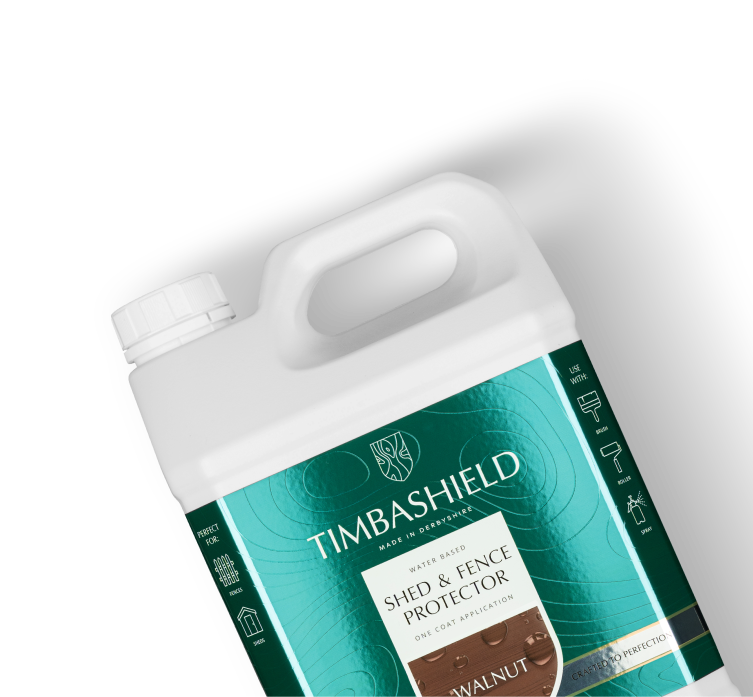
- Timbashield Shed & Fence Protector for larger surfaces. A water-based, one-coat system that nourishes and seals.
- Timbashield Decking Protector for horizontal surfaces. A durable, water-based formula that resists cracking, warping, and weathering.
By planning ahead, you’ll be ready to get straight to work once the temperatures rise and conditions are right for staining.
Final Thoughts
Even though you might not be able to stain or apply major treatments during winter, there’s still plenty you can do to care for and protect your outdoor wood. Cleaning, inspecting, and applying a wood sealer where possible can make all the difference, helping you preserve your garden structures through the cold months and preparing them for easy restoration in spring.
With a little effort now, you can step into the new season ready to refresh and protect your wood with Timbashield’s premium range of wood care products, designed to perform year-round.
Explore Timbashield’s full range today and get your garden wood ready for the year ahead.


Why Has My Fence Turned Grey? How to Restore & Protect Outdoor Wood
Why has your fence turned grey? Learn how to restore weathered timber and protect outdoor wood with Timbashield.
view this post
Refresh Your Garden: A Spring Checklist
Get your garden ready for 2026 with our spring wood care checklist. Learn how to clean, repair and protect outdoor timber for longer-lasting results.
view this post
Winter Wood Care: What You Can Do When You Can’t Stain
Protect your outdoor wood this winter. Learn how to clean, seal, and prep for spring with Timbashield’s expert wood care tips.
view this post